Writing
Five Jobs, No Résumés
What seventeen years in open source actually gave me. Written by someone who has never shipped production code.
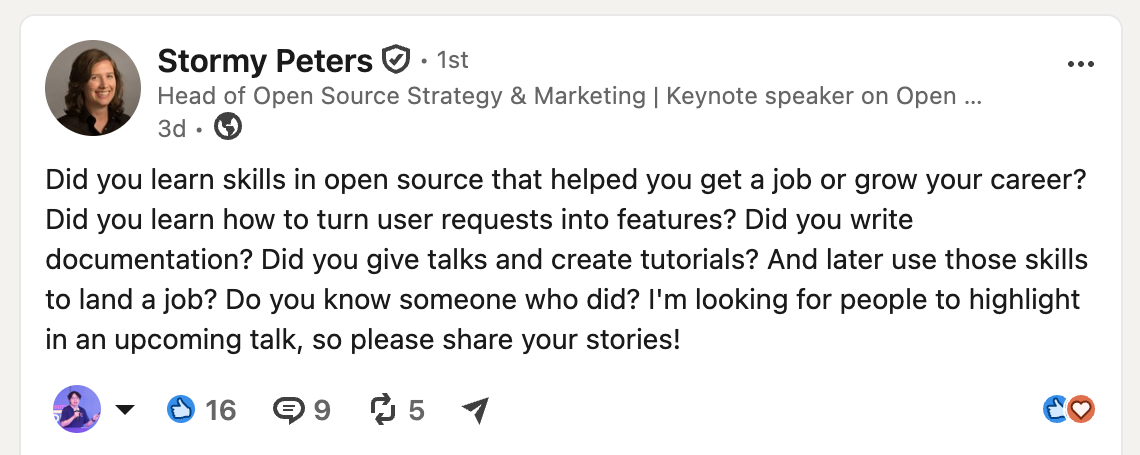
Stormy Peters put out a call for stories: did skills you learned in open source help you get a job or grow a career? She was looking for people to highlight in an upcoming talk. I said yes and offered to write mine down.
My first draft was a résumé in paragraph form. I threw it away. Here's the honest version.
I came to open source because I thought I might be stealing
I studied law, in Taiwan, in the mid-2000s. Nothing in that degree went anywhere near computer science, but I kept drifting toward the parts of it that touched technology: intellectual property, copyright, what people then called cyber law.
I also liked computers, so I taught myself in the clumsiest way available at the time. Building web pages looked impressive, so I built some. And F12 meant everyone else's source code was right there, one keystroke away. So I copied it. Then I changed it.
Then the law student caught up with the hobbyist. I knew what copyright was. Was I allowed to do this? This was years before GitHub existed, and the answer was not one search away.
So I went looking. Some software was free. But some of the free software had this thing at the top called the GNU GPL, and I couldn't work out what it was telling me. Was it permission? Was it a restriction (no commercial use, no modification)? It read like a license, and I could read licenses, and I still couldn't tell.
That question is what pulled me into open source. Not generosity. Not wanting to give back. Those came later. What I wanted was to know what the rules of software actually were, because I was worried I might already be breaking them.
I've met a lot of people since who came in through a similarly unglamorous door (curiosity, a copied file, something they poked at that wasn't theirs), and almost none of them say so out loud.
2006: the mechanism worked once before I knew it was a mechanism
Before any of the jobs below, while I was still a law student, I was a board moderator on PTT, Taiwan's largest BBS and still the closest thing the country has to its own Reddit. I moderated the consumer-rights board and the one for calling out rip-off businesses, posted on the everyday-law board, and kept a personal board where I wrote up whatever I happened to be reading.
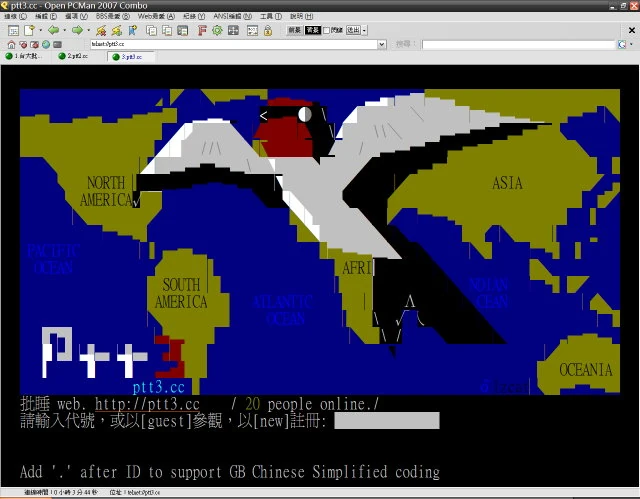

None of it was a career move. It was just where I put things.
An online legal-advice company found me there and offered me part-time work. It had nothing to do with open source. It had everything to do with the same mechanism that produced every job after it: my thinking was somewhere a stranger could find it.
Five jobs. Not one of them came from sending a résumé.
Here is the actual pattern, and I only saw it clearly when I sat down to write this.
2009 — Academia Sinica, Taiwan's national academy, which reports directly to the Office of the President. Its Open Source Software Foundry (OSSF, a research program that ran from 2003 until its funding ended in 2015) needed someone to do legal and policy research. A friend who worked there heard about the opening and thought of me.
Not because I'd published anything. Because I had been telling people what I was curious about, on PTT and to anyone who'd listen. That's the earliest version of building in public I did, and most of it wasn't even on the web. It was just being legible to people who already knew me.
I joined as a research assistant. Later, while working there, I wrote my master's thesis on open source licensing and business models, which is how I ended up with both the academic credential and the community habit, at the same time, in the same place.
(A correction I owe you: for years I told this story as "my master's thesis got me the job." Checking the dates for this piece, the thesis came two years after I was hired. I had it backwards. The thesis wasn't what opened the door. The friend was.)
That job is also what pulled me deeper into COSCUP, Taiwan's largest open source conference. I'd have volunteered there either way. I already was. What the job changed is that my day work and my evenings finally pointed in the same direction. Which matters, because COSCUP is where the next one starts.
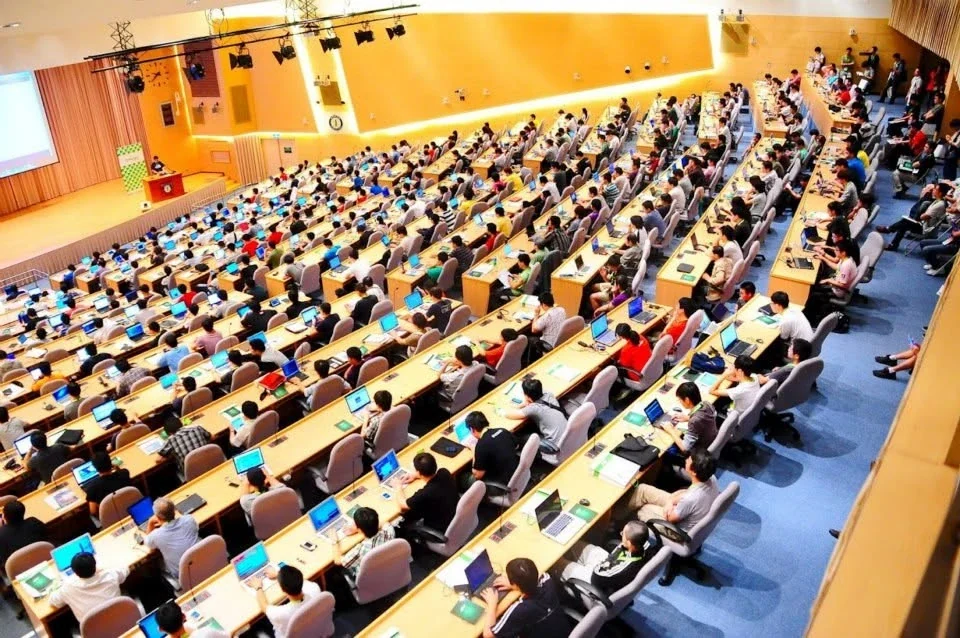
2014 — GitCafe, a Git hosting startup in Shanghai. I met the founder at COSCUP, introduced by a friend from the Taiwanese community who was working in Shanghai at the time. The founder was also running the Shanghai Linux User Group.
I asked him the obvious question: China is enormous. You really couldn't find anyone there who understands open source? You had to reach all the way to Taiwan for one?
He said: we looked. In 2014, we couldn't. And meeting you at COSCUP was luck.
I'd spent years of evenings and weekends at meetups for no professional reason whatsoever. He needed someone who genuinely understood open source to run GitCafe's marketing and community building. I was standing right there.
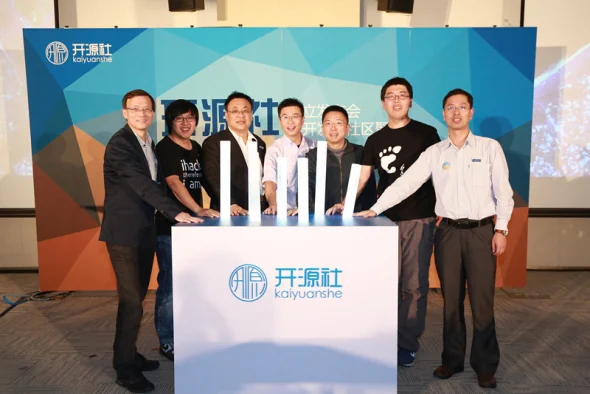
And the job compounded. That October I became one of the five co-founding members of KaiSource (KAIYUANSHE), China's vendor-neutral open source community. GitCafe is what put me in that room.
(GitCafe was acquired by CODING.net in 2016 and shut down that May. Most of what I built there is gone. The relationships aren't.)
2016 — Huawei. This is the one that answers Stormy's question most directly.
In October 2015, KaiSource (KAIYUANSHE) co-organized the first Apache China Roadshow together with the Apache Software Foundation. That event later grew into COSCon. Someone from Huawei was in the room and said, "I have a job to introduce to you."
I wasn't at that conference looking for work. I was running it.
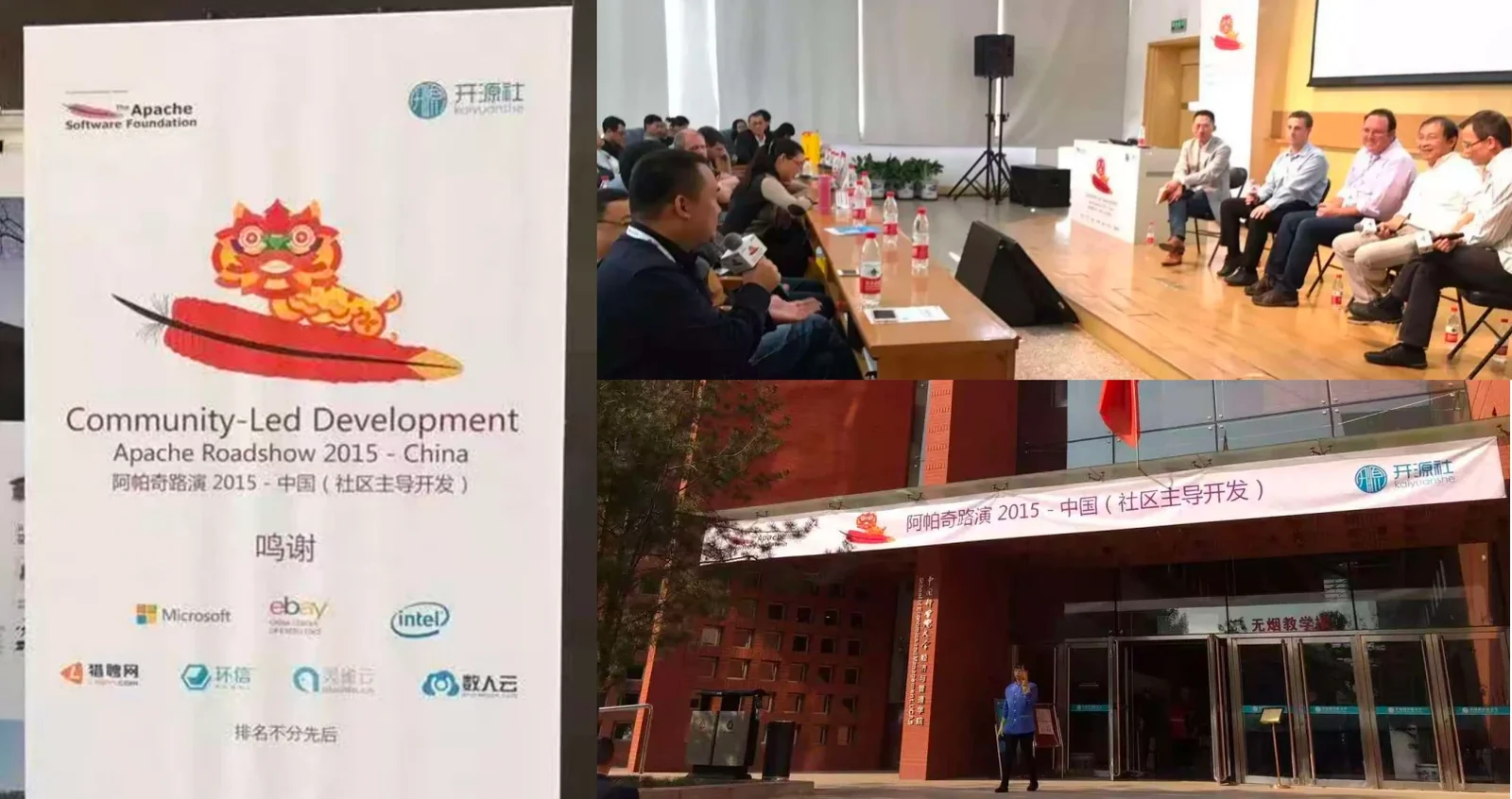
Here's the part that's more useful than the flattering version. My first manager at Huawei told me something I've repeated ever since: when the company has no need for someone like me, someone like me doesn't get in at all. Not "gets rejected." Doesn't get in. The role simply doesn't exist to apply for.
They were looking at Intel and Cisco and asking why a hardware company needs a developer ecosystem in the first place. I arrived at the exact moment that question became urgent, and I was the best answer they could find to it.
Being visible is what put me in the room. The company's need is what put a chair in it. You control the first one. You can only be ready for the second.
2023 — 01.AI, building the open source and developer ecosystem around the Yi models. Not just shipping a release, but the whole of it: licensing, community, developer relations, and how the models met the outside world.
The infrastructure lead there had run the AI platform at Huawei Cloud that my team spent years building the developer ecosystem around. He didn't need to evaluate me. He'd already watched me work.
My first day landed in the middle of a public argument. Yi-34B used Llama's architecture, and two tensors had been renamed during training and not renamed back before release. Online, that compressed into "Yi is a reskinned Llama."
Those are not the same claim. Not restoring the names was a real mistake, and we said so. My reply on the Hugging Face thread is what the press picked up. But sharing an architecture is ordinary practice. Every modern LLM is built from the same public parts, and Meta invented none of them. EleutherAI later drew the same line.
Untangling that in public, in two languages, in my first week, was the job. Nobody hired me to write code. They hired me because reading a license, knowing what an architecture does and doesn't imply, and explaining it to people who are already angry had turned into a skill set, and I had built every part of it in open source.
Now — Datastrato, on Apache Gravitino. I've been at the ASF's CommunityOverCode Asia every year since 2023: keynote speaker, then moderating a keynote panel, then on a panel myself, plus producing the lightning talk track two years running.
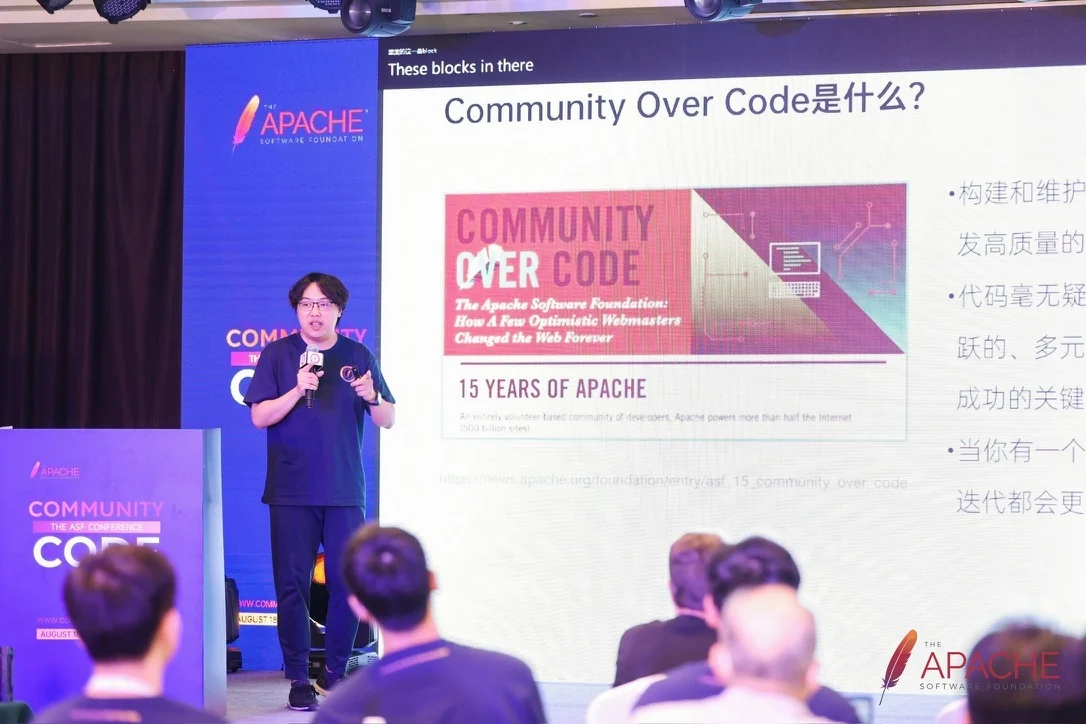
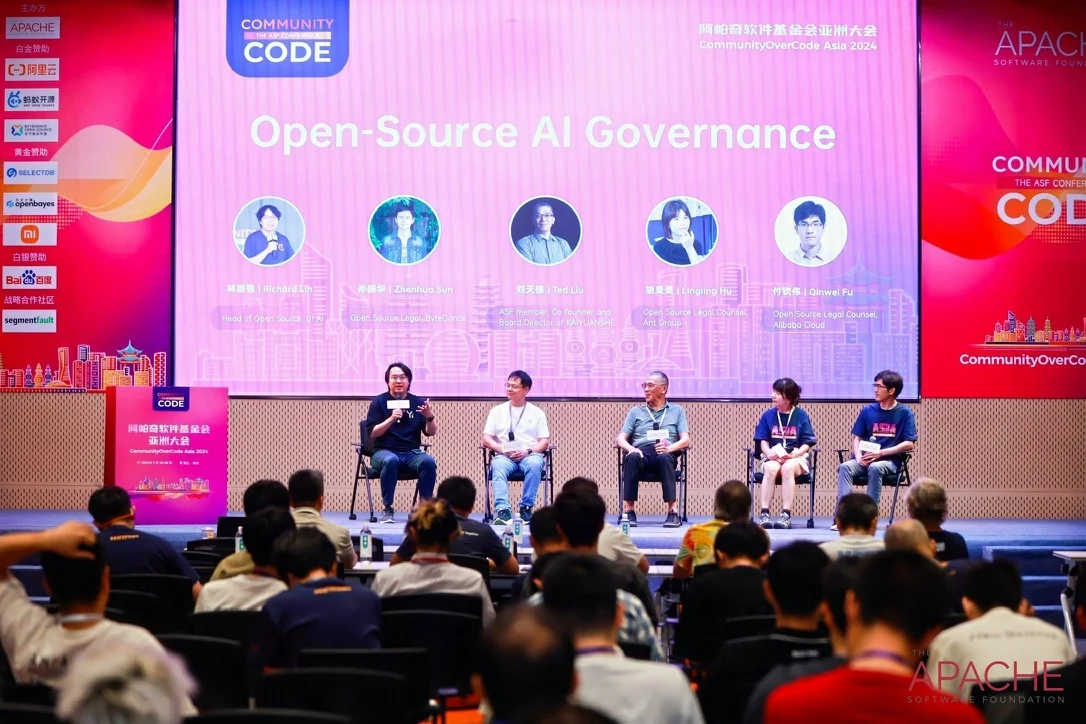
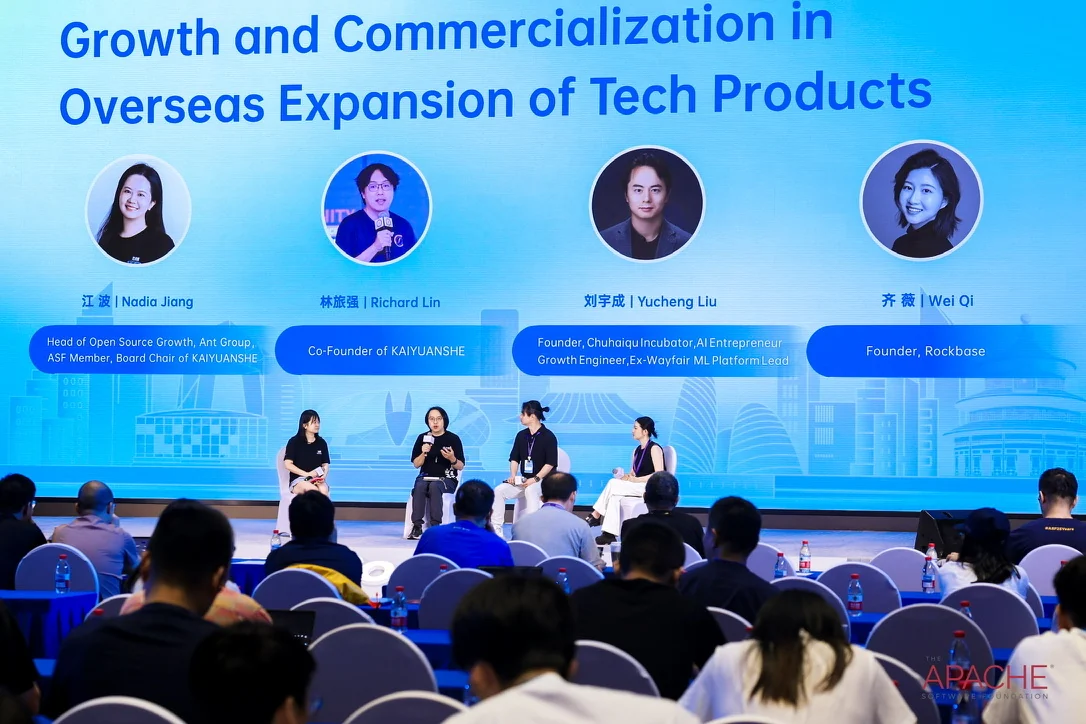
Datastrato's founder, Junping Du, is a KaiSource (KAIYUANSHE) member and sits on its advisory board. We'd been in the same rooms for years. He'd seen the work long before there was a job attached to it. He came and asked.
Five jobs, plus the part-time one before them, and not one of them began with me sending a document to a stranger. Every single one began with a person who had already watched me work.
The part that actually transfers
If you only take one thing from this, take this one.
When your work is invisible, manufacture something that isn't.
I spent seven and a half years inside a very large company. I think I did good work. Almost none of it was visible from outside the building. No public repo, no conference talk with my name as the primary author, nothing anyone could point at and say that's his.
So I started translating books into Chinese, both of them with a co-translator:
- Developer Relations: How to Build and Grow a Successful Developer Program by Caroline Lewko and James Parton. Translated with Chen Junjie, Posts & Telecom Press, March 2023
- Open Source Projects – Beyond Code by John Mertic of the Linux Foundation. Translated with Sun Zhenhua, Posts & Telecom Press, 2025
Nobody asked me to. It took years of nights. I did it because I needed something with my name on it that lived outside the firewall, and because there was a real gap: a whole language community that couldn't read either book.
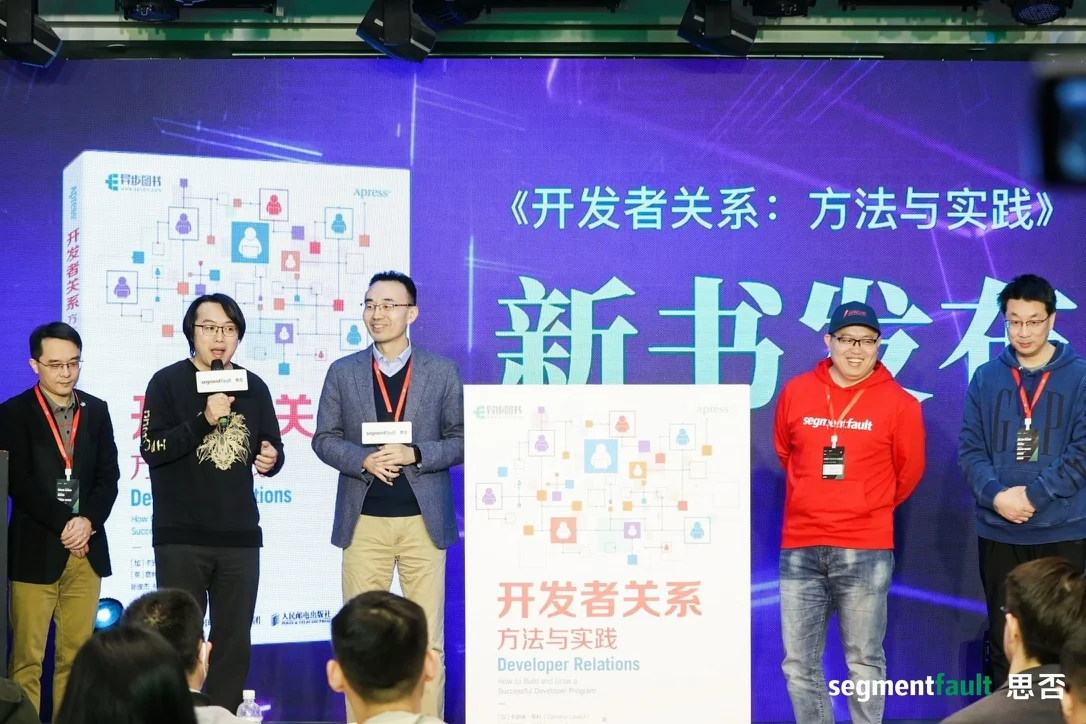
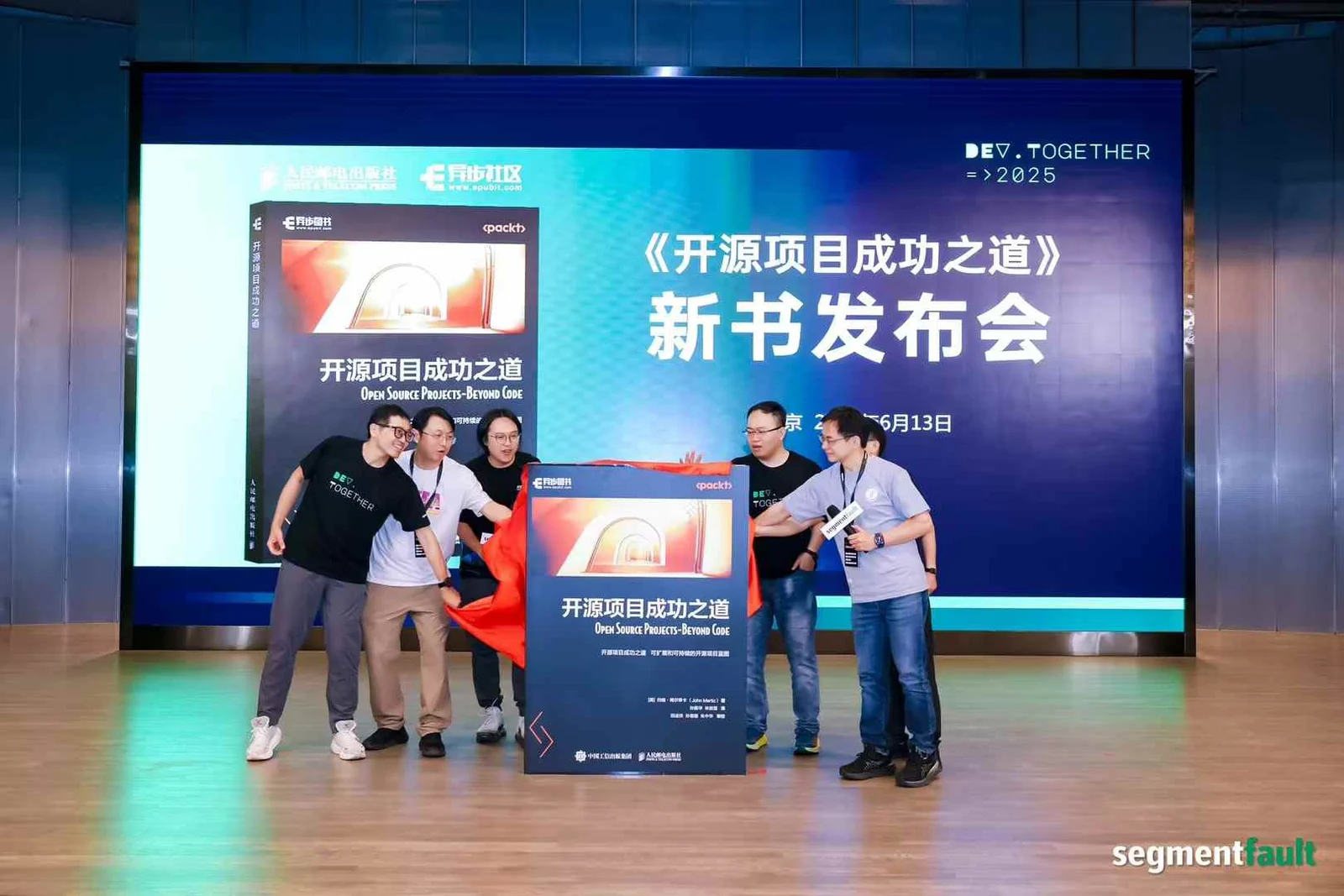
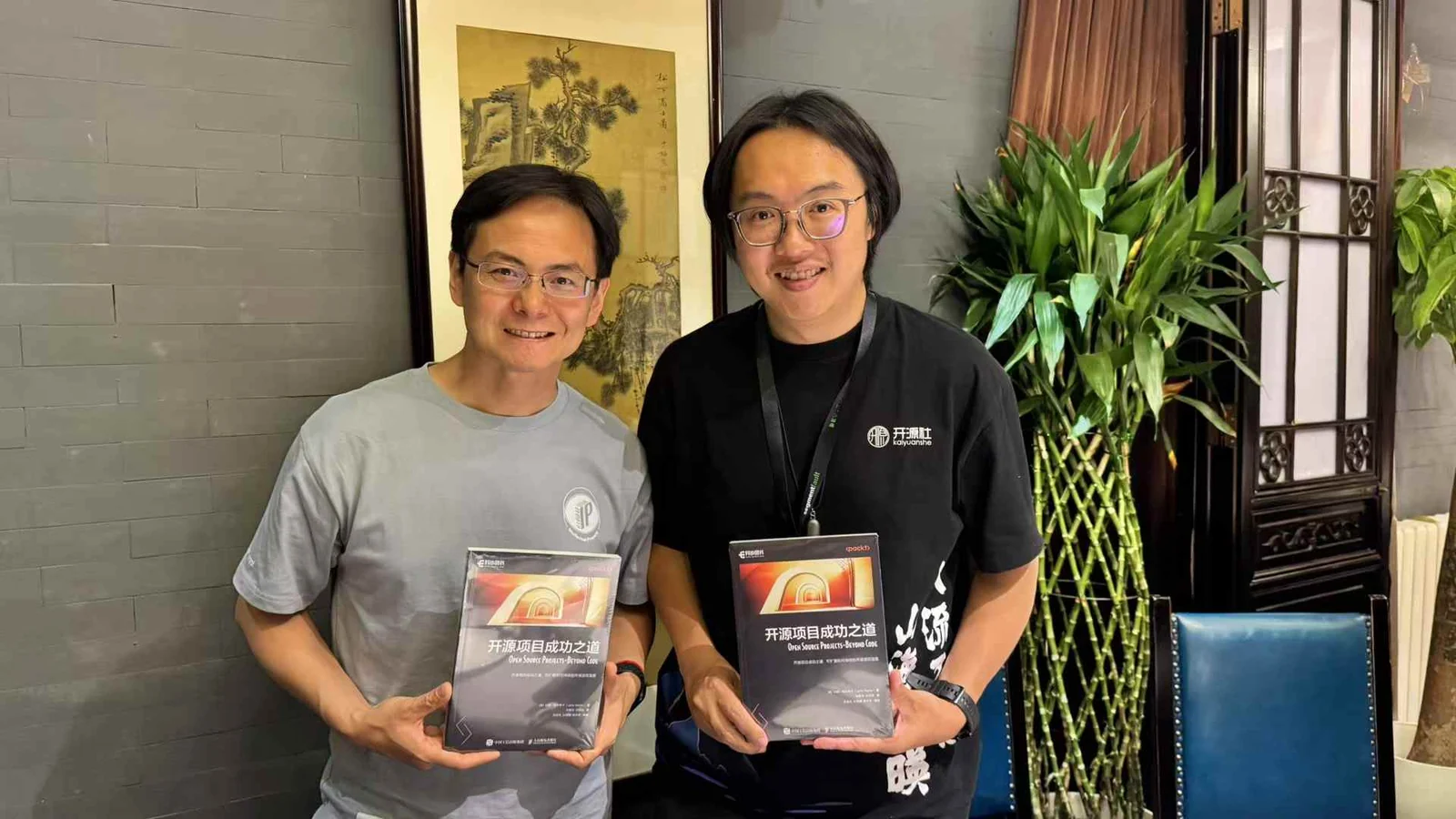
The first one shipped in March 2023, while I was still at Huawei. I left that June. The next job came in November. I don't think that sequence was a coincidence. But I want to be straight with you that it wasn't a strategy either. I only worked out the mechanism looking backwards.
The Mertic book came much later, and it's the one I'd point you to first if you only read one. It's about open source projects themselves rather than developer programs, which makes it the closer fit to what most people mean when they say "open source."
And the other side of it: I hire this way now. When I was building the AI developer ecosystem team at Huawei Cloud, two people on that team came out of KaiSource (KAIYUANSHE), where I'd watched them volunteer and deliver for years before I ever offered either of them anything. I recruit exactly the way I was recruited. If you want to know whether this works, that's the strongest evidence I can give you: the same mechanism, running in the other direction, with me on the employer's side of it.
What I got wrong for about a decade
Here's the irony I only noticed while writing this down, and it's uncomfortable enough that I nearly left it out.
The decade where I published the most (talks, articles, community work, the whole argument about what open source means for AI) is the decade that is least visible in English. Almost all of it lives on WeChat.
That's not a metaphor for obscurity. It's a technical fact. Search engines can't crawl WeChat. Everything I wrote there is real, dated, and readable. It is also sitting on an intranet, invisible to anyone outside it. Getting it out would mean a deliberate project of exporting, translating and re-hosting, and for ten years I never had the time or the energy to spare for it.
So a person whose entire thesis is make your work visible had a large blind spot in exactly that. Which is a substantial part of why this piece exists, in English, at a URL you can link to.
One thing from that decade I do want to carry over, because I think it's the most useful thing I learned and it had nothing to do with networking: at 01.AI, because the model was global and open and I had to make real decisions about it, I had to work out early and precisely what the difference between open weights and open source actually is, and what each of them implies for where AI goes next. Across APAC, including Taiwan, I think the understanding of that distinction has been sharper and earlier than people outside assume.
What I've actually been doing for seventeen years is carrying open source knowledge across a language boundary, in both directions. That's the job. Where I happened to be standing while doing it is the least interesting thing about it.
So: did open source skills get me a job?
Not in the way the question usually implies. I never fixed a famous bug. I've never shipped production code. I've reviewed sample code, and I've been honest with my teams that they write it better than I do. What I learned to do was read a license, run a community, edit an engineer's blog post until it was worth reading, and put on a conference.
None of that is what people picture when they picture open source contribution. All of it is work that happens where other people can see it.
The question isn't "did you write documentation." The question is: is any of your work visible from outside the building you work in?
If the answer is no, that's fixable. It took me two books and a lot of weekends, but it's fixable.
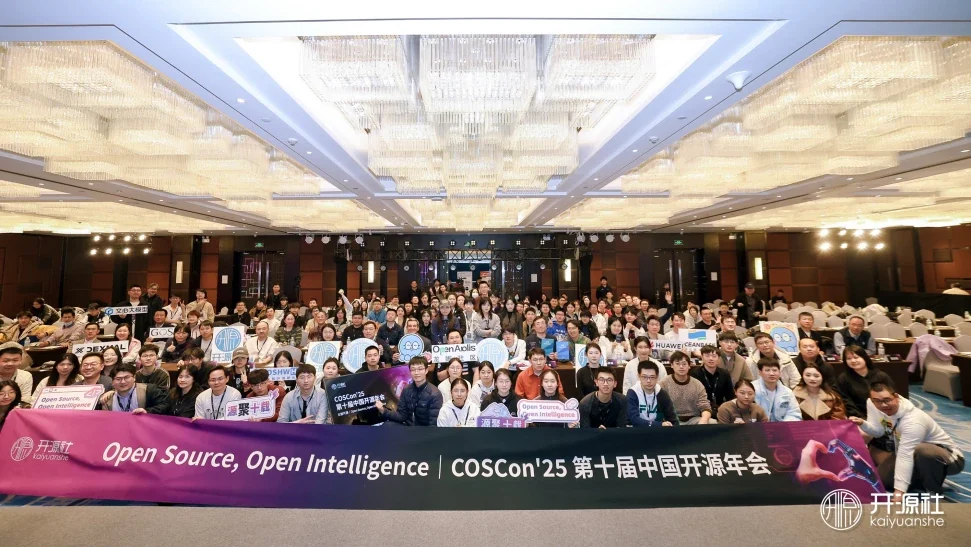
Richard Lin (林旅強) is VP of Ecosystem at Datastrato, working on Apache Gravitino. Co-founder and 2026 Chairperson of KaiSource (KAIYUANSHE). Translator of the two books above. Find me on LinkedIn.
Written because Stormy Peters asked. Thanks for the invitation. Not only because it made me check my own dates and find two of them wrong, but because it gave me a reason to finally do this in the open, where it can be read. For seventeen years my public was one language. This is me widening it.